
There are places where a hot meal means more than just eating. In some rural areas of Antioquia, that plate of food can be the only reason a child attends school—the most complete meal, or even the only one, they have all day. That is why, at Fraternidad Medellín, we understand that transforming education also means transforming the spaces where students are nourished.
For more than 15 years, we have worked on rebuilding educational infrastructure, impacting 125 school sites, most of them in rural areas. Along this journey, school cafeterias have become a priority—not only because of their function, but because of their profound impact on students’ lives.
Since the pandemic, and thanks to a strategic alliance with the Government of Antioquia and IDEA, this commitment has grown stronger, focusing efforts on transforming school kitchens and dining areas—essential spaces for nutrition, health, and school retention.
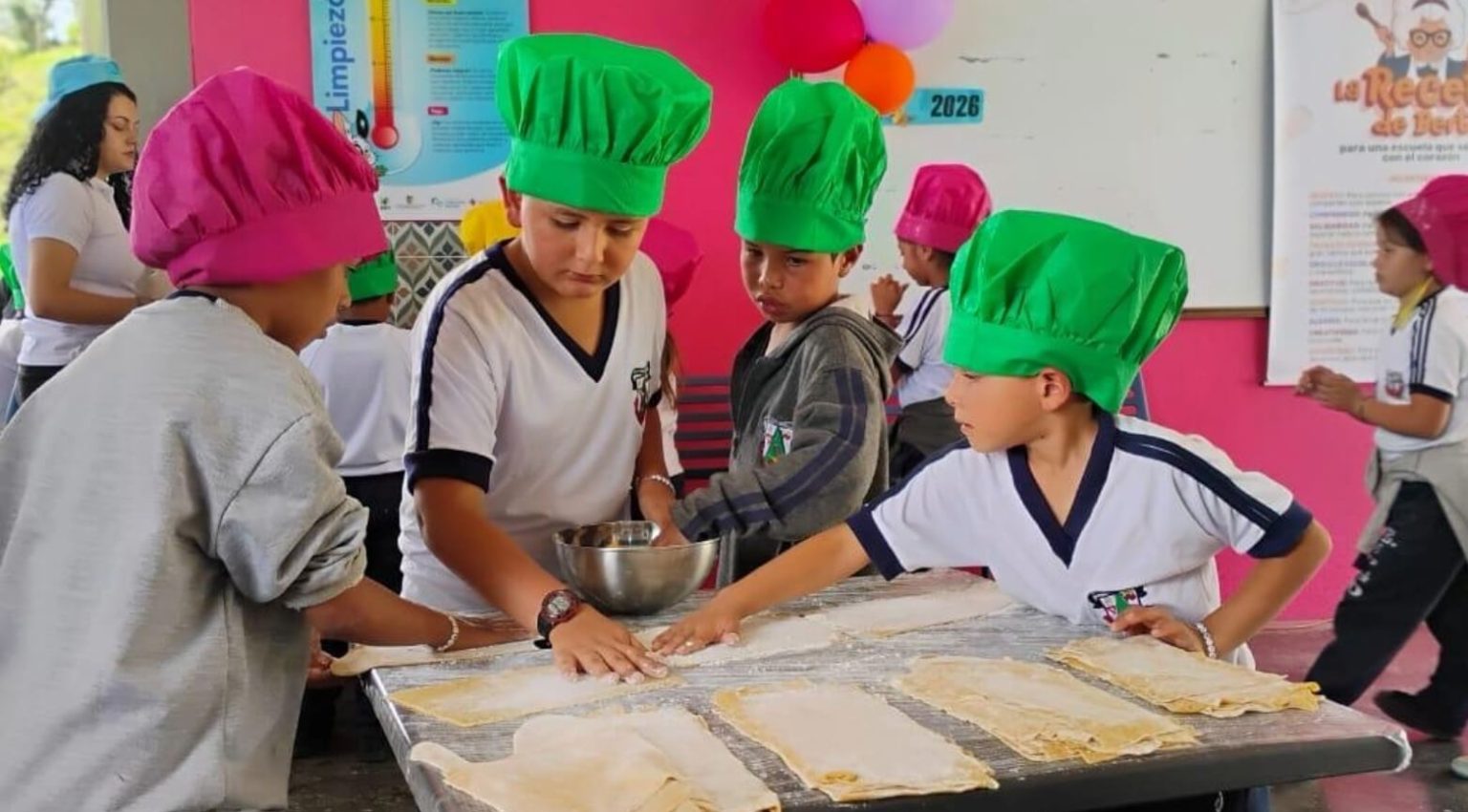
In many rural areas, these cafeterias are not just a complement—they are a necessity. Improving them means ensuring safe and dignified conditions for food preparation, protecting children’s health, and helping them stay focused, learn, and remain in the education system.
These interventions go beyond physical improvements. They involve comprehensive reconstructions, including proper kitchens, dignified dining spaces, and access to clean water—making it possible to prepare fresh, safe, and high-quality meals.
The impact is significant. A recent measurement of indicators in the schools improved through this alliance showed a 10% increase in student retention. This highlights that, in rural contexts—where gaps are wider—the effects are even more meaningful: better-nourished students learn more effectively, stay in school longer, and have greater opportunities for development.
This year, the commitment takes shape through a special intervention in 14 educational sites across 10 municipalities in eastern and southwestern Antioquia, with an investment of COP 6.123 billion, in partnership with IDEA and Fundación Berta Martínez. Because a dignified school dining space does more than improve the experience of eating—it helps compensate for household shortages, strengthens equity, and becomes a driver of development for the entire community.
At Fraternidad Medellín, we remain convinced that investing in education also means ensuring that every child has a dignified place to learn—and a safe space to be nourished. Because when a child is well-fed, they learn better. And when they learn better, their future—and that of their community—changes as well.